Scaling Passion in Non-Profit Associations: The Governance and "Peopleworks" Approach for the Volunteer-to-Paid Pivot
Discover how non-profit sports or general non-profit associations can navigate the critical transition from 100% volunteer teams to a professional hybrid model.
SPORTS GOVERNANCE & LEADERSHIP

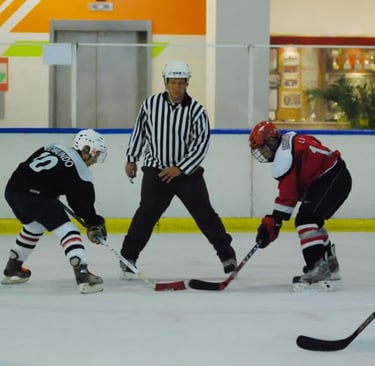
Scaling Passion: The Governance and "Peopleworks" Matrix of the Volunteer-to-Paid Pivot for Sports or Other Non-Profit Associations
1. The Passion Trap and the Operational Ceiling
Every great sports movement begins with raw, unadulterated passion. Grassroots clubs and National Sports Associations (NSAs) are almost universally born from the goodwill of volunteers—parents, former athletes, and enthusiasts who sacrifice their weekends to set up cones, referee matches, and balance the books on kitchen tables. This organic, volunteer-led model is the lifeblood of community sports.
However, success introduces a dangerous paradox known as the "Passion Trap." As an association expands—driven by rising membership numbers, larger regulatory reporting demands, or a sudden influx of corporate sponsorship—the operational burden balloons.
When a non-profit association treats volunteer resource as an infinite, free engine, it hits a hard structural ceiling. Relying solely on part-time energy to manage full-time compliance, risk management, and high-performance logistics inevitably leads to severe volunteer burnout, operational bottlenecks, and critical governance failures. To sustain growth and protect the sport's integrity, leadership must confront a pivotal question: How do we transition from an entirely volunteer-run passion project to a professionalized, hybrid operational model?
2. Defining the "Peopleworks" Architecture
Professionalizing a sports association does not mean eliminating volunteers; it means building a solid corporate scaffold that supports them. To do this successfully, leadership must map out a clear "Peopleworks" architecture that splits the organization into two distinct operational layers based on liability, continuity, and specialization:
The Strategic & Community Layer (Volunteers): * Governance Boards: Board members and sub-committees should remain primarily volunteer-led. This preserves democratic representation, protects the core mission from commercial capture, and ensures diverse stakeholder alignment.
Grassroots Execution: Frontline community engagement—such as weekend coaching, match-day hospitality, and regional festival coordination—is perfectly suited for volunteers who thrive on social connection and immediate impact.
The Structural Core Layer (Paid Staff):
The Secretariat & Operations: Day-to-day administrative machinery, database/CRM management, and vendor logistics require a centralized, permanent focal point.
Finance & Compliance: Regulatory filings, accounting, grant management, and safeguarding policy enforcement carry strict legal and financial liabilities. These positions require dedicated, professionally qualified individuals who are legally accountable to the board.
3. Executing the Hybrid Transition (The Strategic Roadmap)
The transition from a 100% volunteer framework to a hybrid staff model must be treated with the same precision as a corporate restructuring. A chaotic transition creates a culture war where legacy volunteers feel shoved aside by "hired corporate hands."
To execute the pivot smoothly, boards should follow a structured, three-step roadmap:
Step 1: Conduct a Operational Workflow Audit
Before hiring anyone, track the actual hours required to run the association. Document every repeatable backend task: portal claims, tournament scheduling, athlete onboarding, and inventory control. Identify the precise "failure points" where volunteer burnout is actively stalling progress or risking compliance.
Step 2: Identify the Trigger Thresholds
Organizations should tie their first paid hires to explicit operational and financial triggers, rather than vague timelines.
The Financial Trigger: When the annual budget or government grant value reaches a threshold where manual, amateur tracking introduces material audit risks (typically around the $150,000 to $250,000 mark for local associations).
The Operational Trigger: When managing and scheduling the volunteer network becomes a demanding, 20+ hour-a-week job in itself. At this stage, your first essential hire isn't a coach; it is an Operations/Business Support Manager to act as the central engine.
Step 3: Formalize the Boundaries
When paid staff enter the mix, clearly delineate roles. Paid staff own the execution of the operational processes; volunteers own the advocacy and community engagement. Establish clear standard operating procedures (SOPs) so that paid personnel handle complex systems and database hygiene, freeing up volunteers to spend their time back on the field or court where their passion lies.
4. The Hybrid Blueprint in Action
What happens when an association successfully balances this operational matrix?
Imagine a national sports entity that has historically struggled to scale because its committee members spend their evenings fighting with venue booking portals and chasing membership fees. By establishing a professional operational core—even starting with a single, highly organized full-time Business Support or Operations Assistant—the entire dynamic shifts.
Suddenly, corporate and insurance claims are submitted seamlessly via online portals. The CRM database stays clean and updated, unlocking better sponsor metrics. Inbound and outbound equipment logistics are planned with clockwork precision, and monthly financial reporting is handed to the Board completely error-free.
The ultimate ROI of professionalization: By installing a reliable corporate engine to manage the tedious backend logistics, you dramatically de-risk the association's governance. More importantly, you return the gift of time to your volunteers. Unburdened by micro-administrative weight, your community champions can redirect 100% of their passion back into what matters most: growing the game, mentoring athletes, and building a thriving community strategy.
📢 Join the Conversation: What is Your Association’s Pivot Strategy?
Building a sustainable, professional foundation for a sports organization doesn't happen overnight—it requires a deliberate shift from managing day-to-day fires to architecting long-term governance.
We want to hear from the builders, board members, and community champions on the front lines:
Has your club or national association attempted the leap from a volunteer setup to paid staff? * What was the biggest friction point you faced between legacy volunteers and new operational hires?
Share your insights, structural challenges, or turnaround stories in the comments section below. Let’s collaborate to build stronger, more resilient sports networks across the region.
If your association is currently auditing its backend operations or preparing for a governance restructuring, contact me for a detailed discussion.